
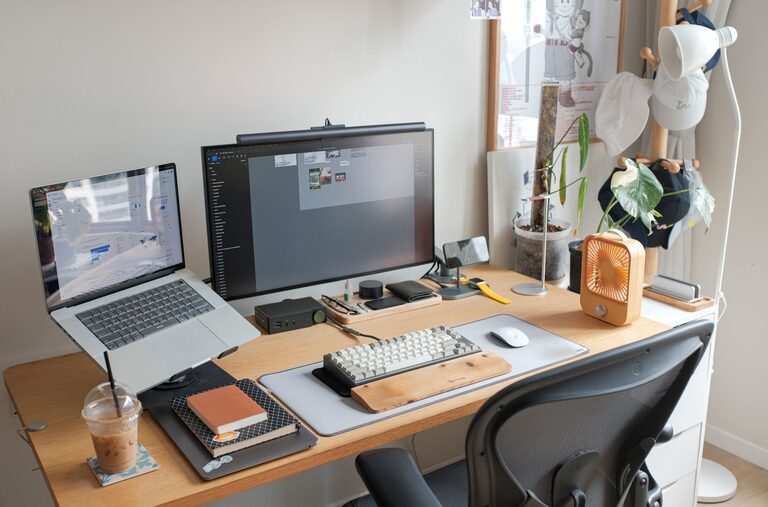
Creating a relaxing home workspace is essential to maintaining productivity, especially if you spend a lot of time working remotely. A comfortable environment helps reduce stress, increases focus, and makes work feel less like a chore. In this post, we’ll explore practical tips you can apply to design a workspace that feels both productive and peaceful.
Why a Relaxing Workspace Matters
Your work environment has a direct impact on how well you perform tasks and how much you enjoy the process. A cluttered or noisy space can cause distractions and fatigue, while a clean, soothing setup encourages concentration and creativity. Taking time to organize your workspace thoughtfully is an investment that pays off in better work quality and wellbeing.
Choose the Right Location
Find a Quiet Spot
Choose a spot in your home that offers minimal distractions and noise. Ideally, this should be a separate room or a corner where household activity is low. If space is limited, consider using noise-cancelling headphones or soundproofing solutions to reduce interruptions.
Maximize Natural Light
Natural light improves mood and alertness. Position your desk near a window if possible to benefit from daylight. Be mindful of glare on your computer screen and arrange your setup to avoid harsh reflections.
Invest in Comfortable Furniture
Ergonomic Chair and Desk
Comfort is key. An ergonomic chair supports your posture and reduces strain on your back and neck. Pair it with a desk at the right height so that your arms rest comfortably while typing or writing. Adjustable desks that allow you to alternate between sitting and standing are also a great option.
Add Soft Elements
Consider adding a cushioned desk mat, a footrest, or supportive pillows to enhance comfort. Having a cozy spot can make long hours at your desk more manageable.
Keep Your Space Organized
Declutter Regularly
Clutter can overwhelm your mind. Keep only essential items on your desk and store others in drawers or shelves. Regularly clear away papers, pens, and gadgets you don’t need daily.
Use Storage Solutions
Desk organizers, filing trays, and cable management tools help keep everything in order. Label containers to quickly find what you need and maintain a tidy look.
Enhance the Atmosphere with Relaxing Elements
Choose Calming Colors
Colors influence mood. Soft, neutral tones like blues, greens, and light grays create a calming environment. You can incorporate these shades through wall paint, desk accessories, or artwork.
Add Plants
Indoor plants not only brighten the space but also improve air quality and reduce stress. Small succulents, ferns, or air plants are easy to maintain and perfect for a desk.
Use Lighting Wisely
Besides natural light, invest in warm, adjustable artificial lighting. Desk lamps with dimmable features help reduce eye strain during late work hours.
Minimize Distractions
Manage Technology
Turn off notifications for non-urgent apps or use “Do Not Disturb” modes during focused work sessions. Use apps that block distracting websites if needed.
Set Boundaries
Communicate your work hours to family or roommates to limit interruptions. Use physical signals like closing the door or a “busy” sign.
Personalize Your Workspace
Adding personal touches can increase your motivation. Display a favorite photo, artwork, or inspirational quotes. Just avoid overcrowding your desk to maintain the relaxing vibe.
Incorporate Break-Friendly Features
Create a Relaxation Corner
If space allows, set up a small area with a comfortable chair or cushion for short breaks. Taking regular breaks away from your desk helps refresh your mind.
Keep Hydrated and Nourished
Keep a water bottle and healthy snacks nearby to maintain energy levels. Staying hydrated is vital for focus and productivity.
Establish a Routine
Finally, maintaining a consistent work routine can complement your relaxing workspace. Start your day with a quick stretch or meditation, plan your tasks, and end work at a set time to keep work-life balance in check.
—
Creating a relaxing home workspace doesn’t require a big budget or complicated designs. By focusing on comfort, organization, and calming elements, you can build an environment that supports your productivity and wellbeing. Try these tips one step at a time and notice how your workday improves!