
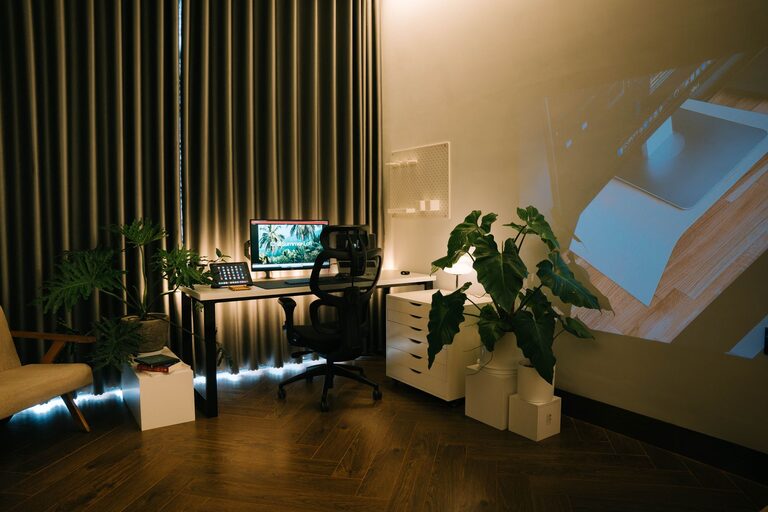
Creating a home office that feels cozy and helps you stay productive can transform the way you work from home. Whether you have a small corner or a dedicated room, your workspace should support focus and comfort. Here are practical tips to help you design a home office that suits your needs and style.
Choose the Right Location
Picking the right spot in your home is the first step toward creating an effective workspace.
– Natural Light: Aim for a place with plenty of natural light. Studies show that natural light boosts mood and energy. Set your desk near a window if possible.
– Quiet Environment: Select a quiet area where interruptions are rare. If you share your home, try to find a spot away from busy areas like the kitchen or living room.
– Space to Move: Make sure there’s enough room for your desk, chair, and storage. Having space to stretch or move around can improve comfort and reduce fatigue.
Invest in Comfortable Furniture
Your office furniture should support good posture and comfort during long hours.
– Ergonomic Chair: Choose a chair with adjustable height and good lumbar support to protect your back.
– Desk Height: Your desk should be at a height where your arms form a 90-degree angle when typing. Adjustable desks or standing desk options are worth considering.
– Additional Seating: A small couch or comfy chair can provide a relaxing spot for reading or brainstorming.
Organize Your Space Efficiently
Clutter can reduce your ability to focus, so keep your workspace tidy and organized.
– Use Storage Solutions: Shelves, drawers, and filing cabinets can keep documents and office supplies off your desk.
– Desk Organizers: Use trays, pen holders, and cable organizers to keep essentials within reach but neat.
– Minimalism Works: Try to keep only what you need daily on your desk to avoid distractions.
Personalize Your Workspace
Adding personal touches makes your office inviting and motivates you to spend time there.
– Decor: Include artwork, plants, or photos that inspire and calm you.
– Colors: Pick calming colors like soft blues, greens, or warm neutrals. These colors can improve focus and reduce stress.
– Lighting: Use layers of lighting. A desk lamp with adjustable brightness can help reduce eye strain during evening work.
Create Boundaries
Balancing work and home life can be challenging, especially when your office is part of your living space.
– Designated Work Hours: Set specific start and end times for your workday to help mentally separate work from personal time.
– Clear Boundaries: Communicate with family or roommates about your work hours and need for quiet.
– Physical Separation: Use room dividers or curtains if possible to create a sense of separation between work and relaxation areas.
Incorporate Technology Wisely
Good technology can improve your efficiency and reduce frustration.
– Reliable Internet: A strong Wi-Fi connection is essential for virtual meetings and fast work.
– Quality Equipment: Invest in a good monitor, keyboard, and mouse to support your workflow.
– Cable Management: Keep cables organized and out of the way to prevent clutter and accidents.
Maintain Good Air Quality and Temperature
Comfort also comes from the environment around you.
– Ventilation: Open windows regularly or use an air purifier to keep the air fresh.
– Temperature Control: Use fans or heaters to keep your workspace at a comfortable temperature year-round.
– Plants: Indoor plants not only add decoration but also improve air quality naturally.
Take Breaks and Move
Your productivity depends on taking care of your body and mind.
– Scheduled Breaks: Use timers or apps to remind you to stand up, stretch, and rest your eyes.
– Movement: Incorporate light exercises like stretching or walking to reduce stiffness.
– Relaxation Corners: If space allows, create a small area for brief breaks where you can relax or meditate.
Conclusion
Designing a home office that is both cozy and productive takes thought and attention to detail. By choosing the right location, investing in comfortable furniture, organizing smartly, and personalizing your space, you can create a work environment that supports your best work. Remember that maintaining boundaries, good technology, and taking care of your wellbeing are equally important. With these tips, your home office can become a place where you enjoy working every day.