
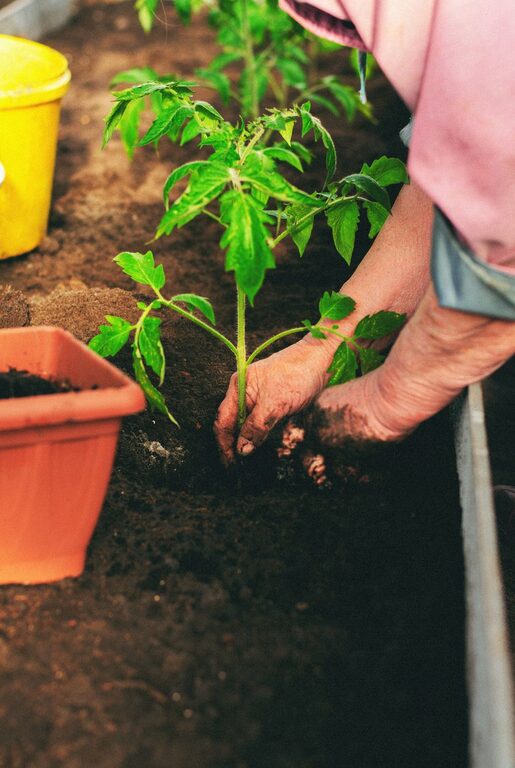
Creating a sustainable home garden is a rewarding way to connect with nature, reduce your environmental footprint, and enjoy fresh, homegrown produce throughout the year. By making mindful choices and planning with the seasons in mind, you can cultivate a garden that thrives sustainably all year long.
In this post, we’ll explore practical tips to help you build and maintain a sustainable garden throughout the changing seasons.
Understanding Seasonal Gardening
Gardens change with the seasons, and so should your approach. Seasonal gardening means choosing plants that grow best during each time of the year, maximizing their health while minimizing waste and resource use.
– Spring: Time for planting many vegetables and flowers as the soil warms.
– Summer: Focus on irrigation management and pest control.
– Fall: Harvesting and preparing your garden for colder months.
– Winter: Planning, soil care, and sometimes growing cold-hardy crops indoors or in greenhouses.
By aligning your gardening activities with these cycles, your garden stays productive and eco-friendly.
Choose Native and Adapted Plants
Native plants are naturally suited to your area’s climate and soil, so they usually require less water, fertilizer, and pest control. Similarly, plants adapted to your region’s conditions tend to thrive with minimal intervention.
– Research local native plants suitable for your garden.
– Include a mix of perennials and annuals for year-round interest.
– Grow drought-tolerant plants to reduce water use, especially in summer.
Using native and adapted plants supports local wildlife like pollinators and helps create a balanced ecosystem in your garden.
Embrace Organic Gardening Practices
Avoid synthetic chemicals that can harm beneficial insects and soil health. Instead, opt for organic methods that nurture natural processes.
– Use natural pest control methods, like introducing ladybugs or traps.
– Make your own compost to enrich soil naturally (more on this below).
– Rotate crops annually to reduce disease and improve soil fertility.
– Use organic mulches such as straw, leaves, or wood chips to retain moisture and suppress weeds.
These practices keep your garden healthy and environmentally friendly across all seasons.
Composting: The Heart of Sustainability
Composting reduces waste and creates nutrient-rich soil amendment for your plants. It’s an eco-friendly way to recycle kitchen scraps and garden debris throughout the year.
Getting Started with Composting:
- Choose a compost bin or pile location that’s convenient.
- Add a balanced mix of green materials (vegetable scraps, grass clippings) and brown materials (dry leaves, straw).
- Turn the compost regularly to aerate it.
- Avoid adding meat, dairy, or diseased plants.
Use finished compost in spring to improve soil structure and fertility, helping your plants grow strong with fewer inputs.
Efficient Water Management
Water conservation is a major part of a sustainable garden, especially during hot, dry summer months.
– Collect rainwater using barrels to water plants naturally.
– Water early in the morning or late in the evening to reduce evaporation.
– Use drip irrigation or soaker hoses to deliver water directly to roots.
– Group plants with similar water needs together to avoid overwatering.
– Mulch around plants to keep soil moist and cool.
Good water management helps plants survive through dry spells and lowers your water bills.
Extend the Growing Season
With a few simple techniques, you can stretch your garden’s productivity beyond the typical growing season.
Cold frames and row covers
Protect plants from frost and retain heat by covering them with transparent cold frames or light fabric row covers. This gives seedlings a head start in early spring or extends a fall harvest.
Indoor gardening
Grow herbs and leafy greens indoors on sunny windowsills during winter. Small containers or hydroponic setups can keep you harvesting fresh produce even in colder months.
Crop selection
Choose fast-growing or cold-hardy vegetables that can be planted at the edges of the season, like kale, spinach, or radishes.
Extending the season reduces the need to buy out-of-season produce and makes your garden more resilient.
Practice Crop Rotation and Polyculture
Rotating crops in different garden beds each year helps prevent soil depletion and reduces pest problems. For example, follow nitrogen-fixing legumes with heavy feeders like tomatoes.
Polyculture means growing multiple plant species together in the same space. This diversity attracts beneficial insects, deters pests, and maximizes space usage.
Examples include planting flowers that attract pollinators near vegetables, or combining tall and low plants to use vertical space efficiently.
Seasonal Maintenance Tips
– Spring: Prepare beds by adding compost, check irrigation systems, and start seedlings indoors.
– Summer: Monitor for pests, water deeply but less frequently, and harvest regularly.
– Fall: Clean up dead plants to prevent disease, plant cover crops to protect soil, and collect leaves for mulch.
– Winter: Plan next year’s garden, sharpen tools, and prepare soil with organic matter.
By following these seasonal tasks, your garden stays productive and healthy with less effort.
Conclusion
Sustainable home gardening is about working with nature, minimizing waste, and using resources wisely all year round. By choosing native plants, composting, conserving water, and managing your garden seasonally, you create a vibrant garden that supports the environment and your well-being.
Every little action counts, so start with small changes and enjoy the peace and satisfaction that comes from growing a greener garden through all the seasons. Happy gardening!